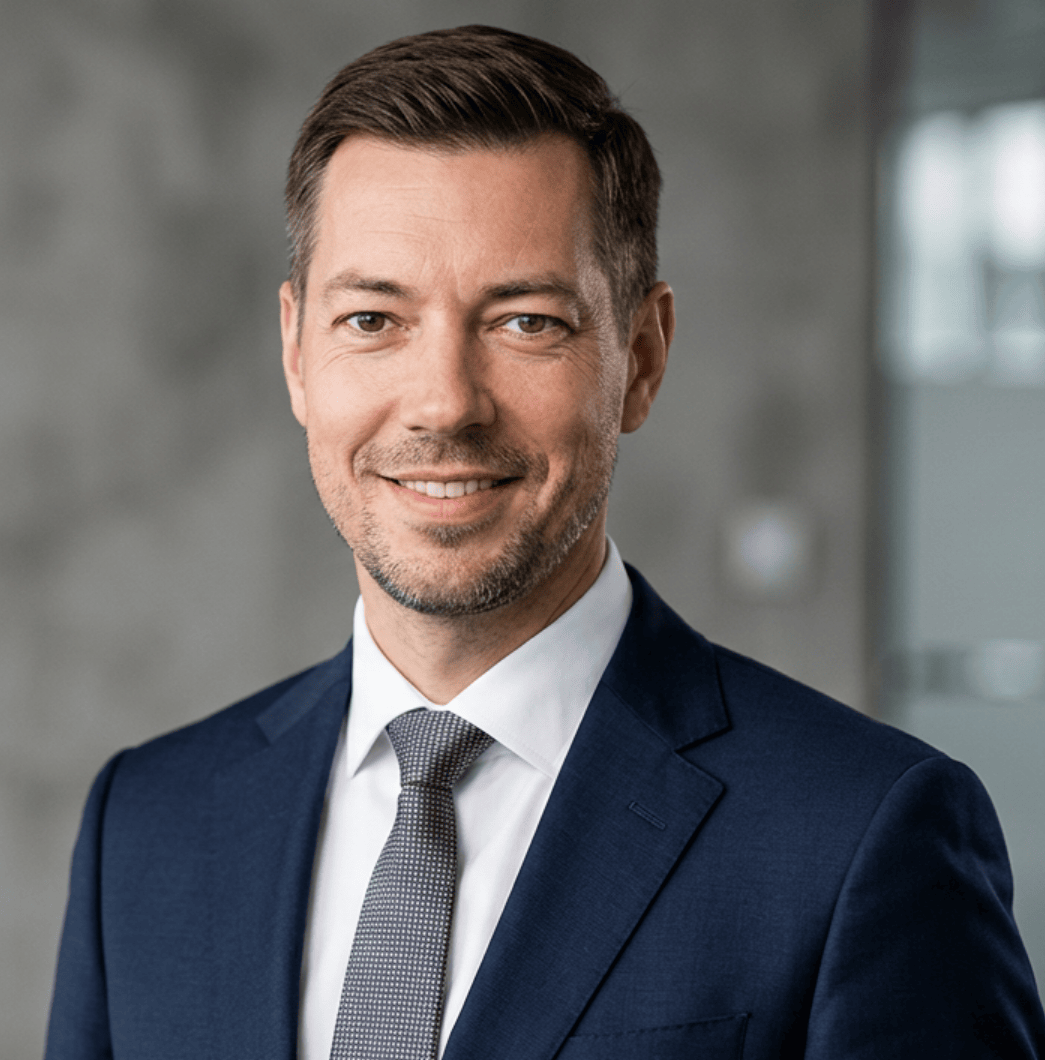
Nils Silinevics
Partner · AML & Crypto Compliance · Former FIU Investigator
KuCoin is not registered with De Nederlandsche Bank (DNB) + Authority for the Financial Markets (AFM) — but your funds are not lost. Swiss lawyers submit directly to KuCoin's compliance team, bypassing standard support. 90%+ success rate.
KuCoin is not registered with DNB
DNB requires crypto service providers to register under Wwft — only registered firms can offer services; DNB fined Binance €3.3M (2022)
This matters because it determines which regulatory body has authority over your case — and whether you have a direct complaint path or need cross-jurisdictional legal action.
What this means for you: KuCoin is not registered with De Nederlandsche Bank (DNB) + Authority for the Financial Markets (AFM), so direct regulatory complaints are limited. However, KuCoin still operates under its home jurisdiction's AML laws (VARA Dubai (provisional license)). We submit legal documents directly to KuCoin's compliance team — not through standard support channels.
Your funds are not illegal. Using an unregistered exchange in Netherlands does not make your crypto holdings illegal under Wwft. You may face tax reporting obligations, but the funds themselves are yours.
under Wwft, you can file a complaint with DNB; also Kifid (Financial Complaints Institute) for consumer disputes
Under Wwft (Wet ter voorkoming van witwassen en financieren van terrorisme) — Dutch AML Act, KuCoin must conduct customer due diligence and can freeze accounts during AML investigations. However, they must also:
If KuCoin doesn't meet these obligations, we escalate to De Nederlandsche Bank (DNB) + Authority for the Financial Markets (AFM) and file a formal legal submission. For a broader comparison of how Netherlands's rules stack up against other jurisdictions, see our AML laws by country reference.
crypto gains taxed under Box 3 (savings and investments) — deemed return based on asset value, 30-36% effective rate
If your KuCoin account is frozen, you may still need to declare your crypto holdings on your Netherlands tax return — even if you can't access them. Under Netherlands law, the tax obligation may apply regardless of whether the funds are accessible. We recommend consulting a Dutch tax advisor.
If the freeze causes you to miss a tax deadline, we can provide documentation for the De Nederlandsche Bank (DNB) + Authority for the Financial Markets (AFM) and tax authority explaining the situation.
A Dutch user with a common Middle Eastern name had their KuCoin account frozen after a sanctions screening match. KuCoin's compliance tool (Chainalysis) flagged the name against OFAC lists. We prepared a non-association declaration and cross-referenced with De Nederlandsche Bank (DNB) + Authority for the Financial Markets (AFM)'s sanctions guidance. The account was restored after we provided a legal submission citing De Nederlandsche Bank (DNB) + Authority for the Financial Markets (AFM)'s guidelines and the client's transaction history.
Details anonymized to protect client confidentiality. Swiss professional secrecy applies.
We analyze your KuCoin account, transaction history, and Netherlands regulatory context to identify the exact trigger. Was it a Chainalysis risk flag? A sanctions screening match? A source-of-funds demand? Each requires a different strategy.
We prepare documentation compliant with Wwft — not just KuCoin's standard templates. This includes source-of-funds proof, transaction tracing, and any required De Nederlandsche Bank-specific forms.
We submit through KuCoin's compliance channels — not standard support. Our submission is in Dutch and references De Nederlandsche Bank guidelines. We coordinate with De Nederlandsche Bank even though KuCoin is not registered.
We verify everything works and advise on preventing recurrence on KuCoin. If KuCoin doesn't respond within Wwft requires investigation completion 'as soon as possible' — DNB interprets as 8 weeks, we escalate to De Nederlandsche Bank and pursue cross-jurisdictional action in Seychelles (operations: Dubai, Singapore) if needed.
Tell us what happened. A senior crypto compliance lawyer — not a chatbot, not a junior — will read your case and respond within 6 hours. Swiss professional secrecy applies from your first message.