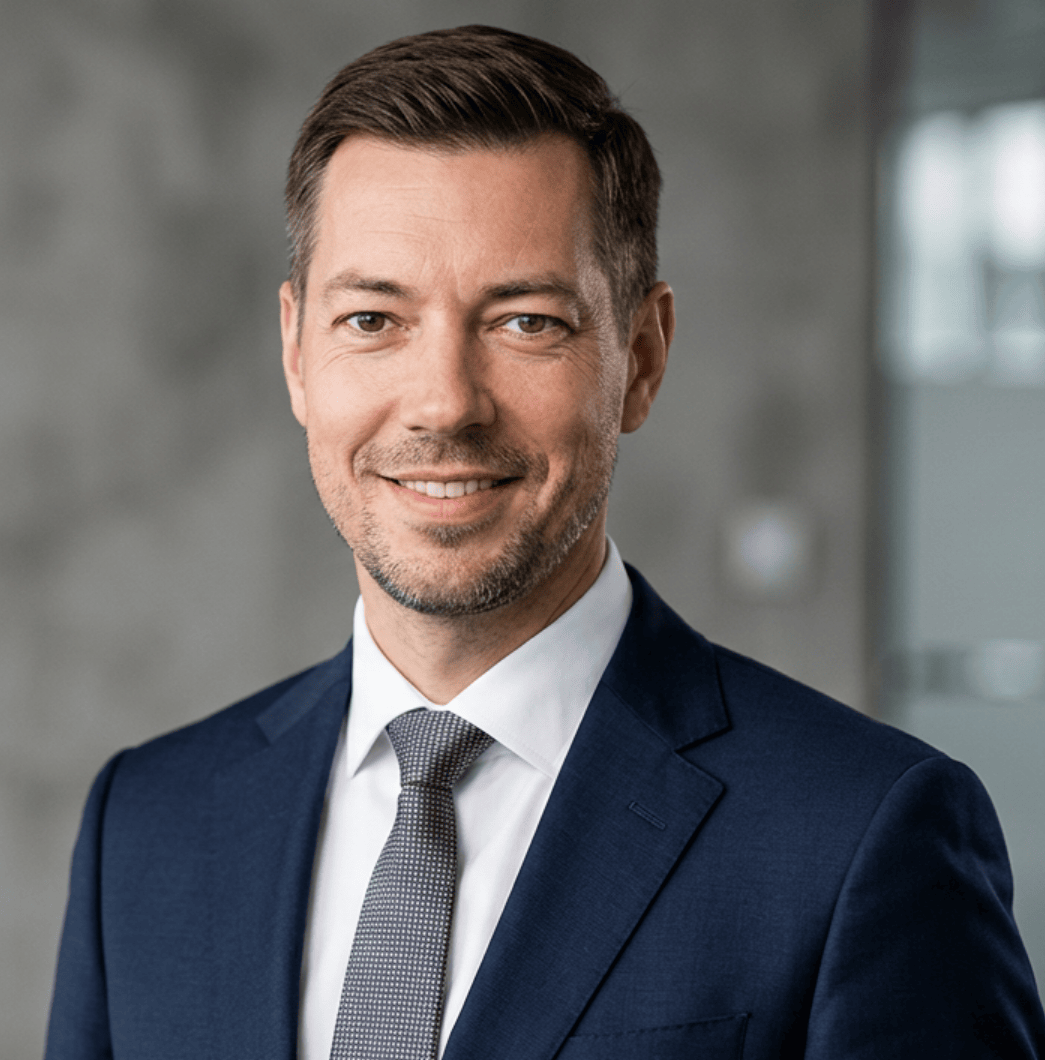
Nils Silinevics
Partner · AML & Crypto Compliance · Former FIU Investigator
Binance's sanctions screening flagged your account — possibly matching your name against the OFAC SDN List, EU sanctions lists, or UN sanctions registers. This is one of the most serious compliance flags an exchange can apply, but in the vast majority of individual cases we see, it's a false positive. Name similarity with a sanctioned individual, nationality of a partially-sanctioned country, or receiving funds from an address historically connected to a sanctioned entity. We prepare formal non-association declarations and clear sanctions flags through proper legal channels.
How sanctions screening works: Binance screens every user against multiple sanctions lists — OFAC SDN (US), EU consolidated sanctions list, UN Security Council sanctions, and regional lists. The screening uses fuzzy name-matching algorithms that intentionally over-match to avoid missing actual sanctioned persons. The result: many false positives from partial name matches.
Common false positive triggers on Binance:
Sanctions flags vs. AML flags: Sanctions cases are treated more seriously than standard AML flags because exchanges face severe penalties (up to $1M+ per violation) for processing transactions involving sanctioned persons. This means Binance's compliance team is extremely cautious — they'd rather freeze an innocent person than risk processing a sanctioned one. Professional legal help is almost always necessary because the burden of proof is on YOU to demonstrate non-association.
Our sanctions expertise: Our lead partner Nils Silinevics spent 7+ years investigating sanctions evasion at a European Financial Intelligence Unit, including coordination with OFAC, EU sanctions authorities, and Moneyval. He understands how sanctions screening algorithms work, what evidence is needed to clear false positives, and how to engage with compliance teams on sanctions matters. We prepare formal non-association declarations with supporting evidence — a structured legal document that addresses the specific sanctions concern.
Sanctions screening uses fuzzy name-matching that intentionally casts a wide net. Your name may partially match someone on the OFAC SDN List, EU sanctions list, or UN list — even if you're a completely different person in a different country. Additionally, your nationality or the origin of your funds may trigger screening. The screening system flags first and investigates later — your job is to prove you're not the target, and our job is to help you do that effectively.
We prepare a formal non-association declaration — a legal document that includes: your complete identity details (full name, date of birth, place of birth, nationality), evidence demonstrating you are NOT the sanctioned individual (different DOB, different country, different biometric data), your legitimate background (employment, education, residence history), and if needed, formal confirmation from relevant authorities that you are not the targeted person. This structured approach resolves most false positives.
Yes — this is the most challenging type of sanctions flag. Nationals of broadly sanctioned countries (Iran, North Korea, Syria, certain Russian persons) face automatic heightened screening on Binance regardless of individual circumstances. For dual nationals, the approach depends on which passport you used for registration and your current residency. We've successfully resolved nationality-based flags for dual nationals and for individuals who have legitimate residency in non-sanctioned countries.
Sanctions cases are among the longest to resolve. Simple false positive name matches: 2-4 weeks with professional help. Nationality-based restrictions: 4-8 weeks. Cases requiring OFAC delisting: 6-12+ months through proper channels. We provide realistic timelines during your free assessment — we don't make promises we can't keep on sanctions matters.
Binance clearing your flag doesn't automatically notify other exchanges. However, the non-association declaration we prepare for Binance can be adapted and submitted to other exchanges proactively. We recommend clearing the flag across all your active platforms simultaneously to prevent being flagged elsewhere for the same reason.
Don't panic — most sanctions flags are false positives where your name matches an entry on the OFAC SDN list, EU sanctions list, or a PEP watchlist. Binance's screening system flags matches for compliance review. To resolve a false positive, we provide additional government ID, proof of residence in a non-sanctioned jurisdiction, proof of employment history, and a sworn declaration of identity. Our lead partner Nils Silinevics spent 7+ years investigating sanctions evasion at a European FIU and understands exactly what evidence is needed to clear false positives.
Yes. Binance restricts services for certain nationalities due to sanctions regulations (Iran, North Korea, Syria, Cuba, Crimea region). If you hold citizenship of a sanctioned country — even if you live elsewhere — Binance may block your account. Dual nationals face particular challenges. We assess whether the block is sanctions-based (requires identity documentation) or jurisdiction-based (Binance doesn't serve your country). For sanctioned nationalities, the path may be fund extraction rather than account restoration.
Inherited crypto, accounts under another name, unprovable source of funds — situations other firms decline.
Often triggered alongside sanctions screening match. See how we handle aml compliance review on Binance.
In-depth guide on OFAC sanctions false positives in crypto — documentation, legal strategy, and timelines.
How anti-money-laundering rules differ across Germany, UK, Switzerland, France, and more.
Tell us your nationality, what Binance flagged, and any sanctions screening details. We respond within 6 hours.